Because You Wrote Something Too Beautiful.
📖 The Age of the Matriarch_Lee Seul-ah
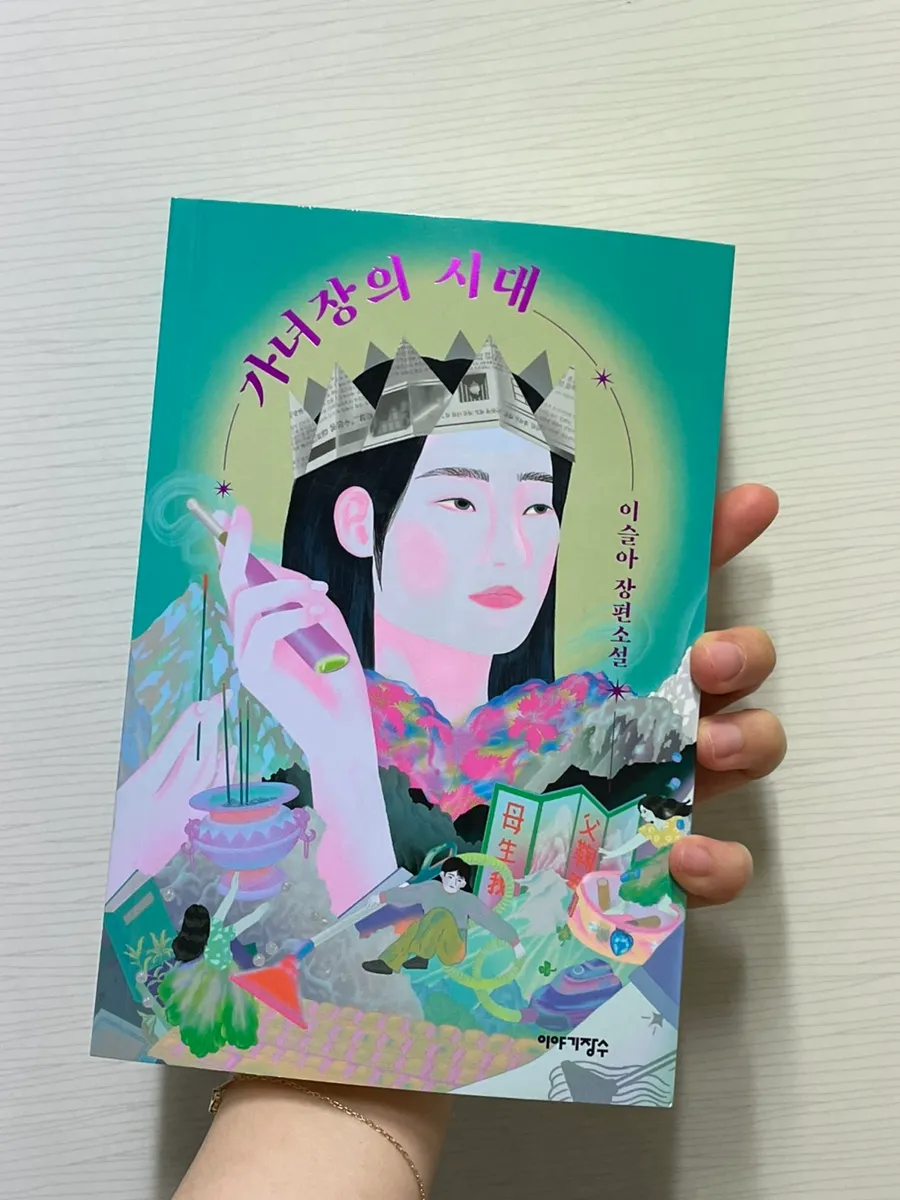
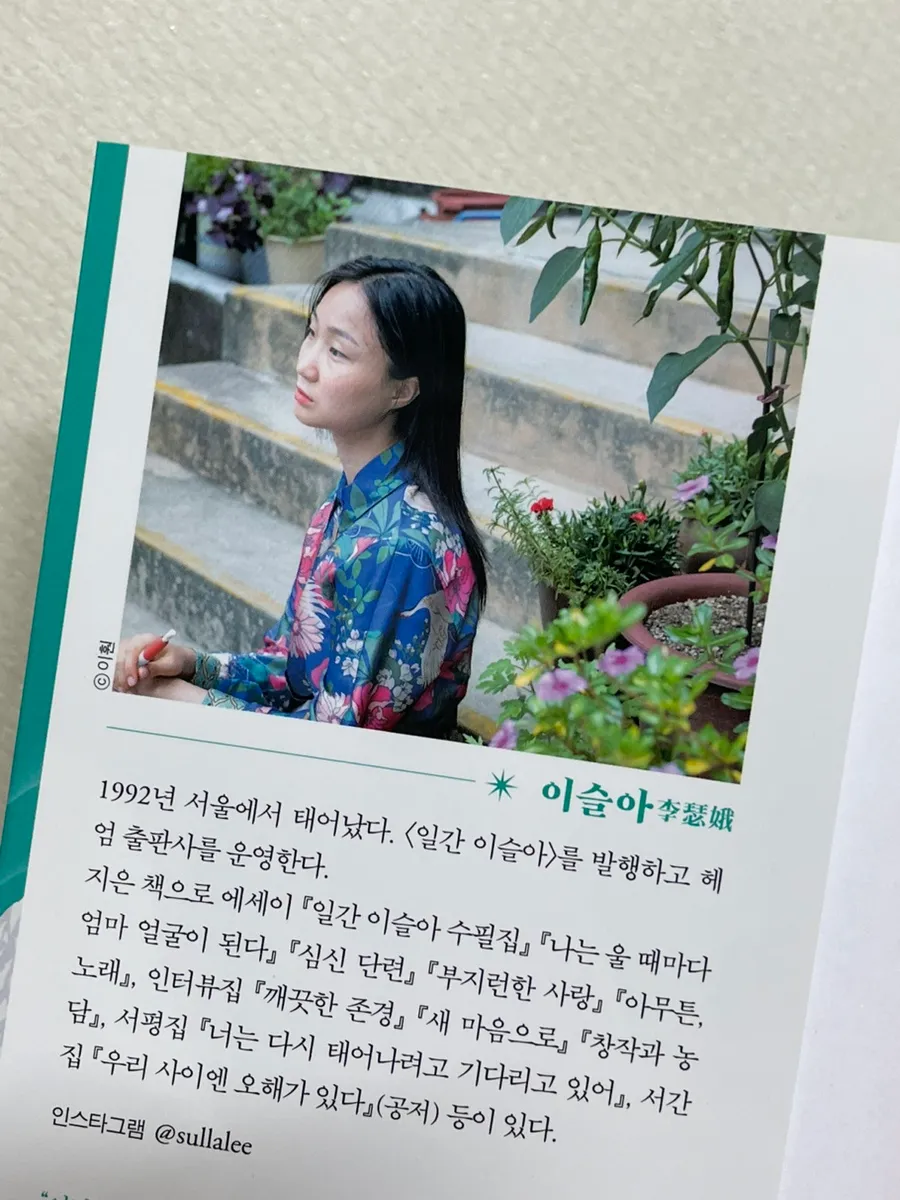
Late last spring, I subscribed to writer Lee Seul-ah’s
I was deeply impressed by the “Please Take Care of the Matriarch” series,
and when I heard the story was expanding into a novel, I immediately ordered it. Many people were curious whether the stories about Lee Seul-ah’s relationship with her mother-in-law and the publishing company’s management style were true, but Lee Seul-ah’s stance was revealed through Woongi’s anecdote in the novel, and I completely agree: “For Woongi, novels were something like a collection of lies.
After all, a novel is a genre that gathers lies to point toward the truth.”
Reading the truth embedded here and there among the false letters, I feel catharsis. I register this novel as a sophisticated story that freely treads between elegance and vulgarity, striking reality to the bone while pointing toward a better future. Like Seul-ah, I too will keep moving without stopping, messily loving those around me.
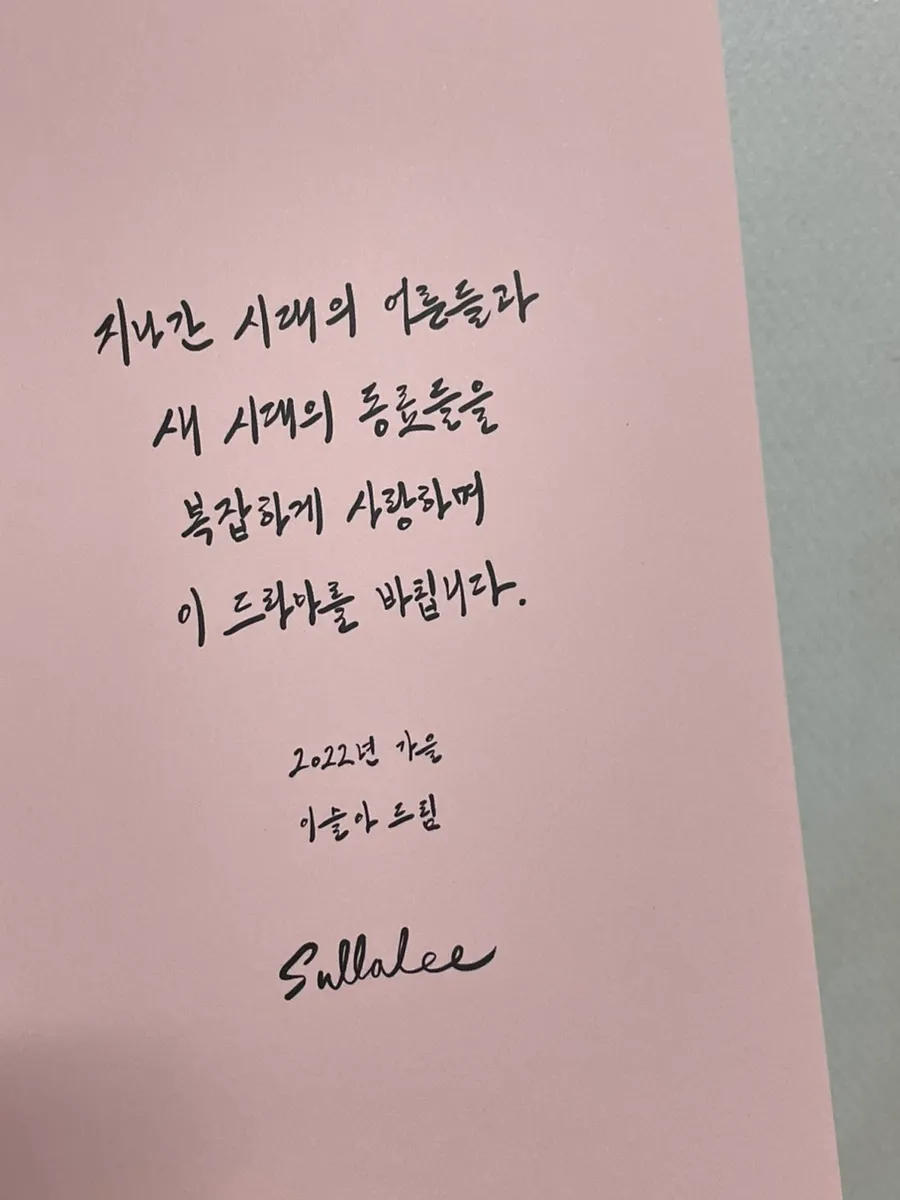
📝 Thoughts and sentences I loved
pg.53
Seul-ah is desperately holding onto the literature that Woongi has let go of so easily. Woongi thinks that serving Seul-ah might be an indirect way of loving literature.
pg.87
“They’ve wrapped up a simple ad request with the fancy term ‘collaboration.’ I don’t take advertising work unless they pay a lot. Is the pay listed?”
“It’s not.”
“Decline it.”
That’s how Seul-ah issues countless rejection orders. And rarely accepts one or two things. The work she accepts satisfies at least two of five main motivations: money, fun, meaning, obligation, beauty. If something satisfies only one or none, she rejects it quickly. She can instantly distinguish between what must be done, what she wants to do, and what’s better left undone.
pg.116
“My teacher says hula is a dance that calls forth the sea inside you.”
Seul-ah, with a deadline approaching, taps the keyboard and replies offhandedly.
“Nice.”
Bokhee circles Seul-ah, stepping out hula moves. Round, clumsy gestures.
“The teacher also said… in hula, nothing is wrong. Everyone just has their own hula.”
Bokhee seems moved by those words. Perhaps that’s why she wiggles her hips while doing the dishes and waves her hands while showering.
pg.156
“But the most important friendship is the one with yourself.”
Miran spaces out. After a silence, she asks.
“Am I getting along well with you?”
Seul-ah answers.
“Treat me like a boss.”
“Why?”
“Because I don’t have one.”
“Isn’t that a good thing?”
“Without someone watching strictly, I can’t finish my work.”
“So you become your own boss?”
“I don’t let myself off too easy.”
“That’s getting along with yourself?”
“I mean I treat myself like a competent boss who provides good benefits.”
“That’s shocking. I live as if my boss doesn’t exist even though I have one…”
The two have almost nothing in common. And that’s precisely why there are points where they can tolerate each other.
pg.180
Ignored and left behind by them, Seul-ah recalls one crucial truth.
‘Most people aren’t interested in me!’
Even if she appears in newspapers, on television, and sells many copies. The indifferent interviewers, the bitter commenters, the praising readers — none of them truly care. Like Sukhee and Namhee, they’re busy living their own lives. When Seul-ah remembers this, a gentle breeze blows through her heart. Shaking off the illusion of being watched, the misunderstanding of being the protagonist, a pleasant freedom comes and goes. Seul-ah returns to her desk and picks up a familiar book. Opening it, she finds this passage on a dog-eared page:
**
I always learn from animals.
The art of not asking ‘why.’
Like ‘why do you make books?’ and such.
There’s no need, and even if you did, the answer is too simple.
Tell me, why do you make books?
In the book, the animals point to their left and answer:
“Me? Because of you.”
“Because of you.”
“Because of this one.”
“This one.”
*Quoted from Kim Han-min,
pg.190
The first reader is nine-year-old Iwa. Wrestling with shyness, Iwa begins to read her piece:
The good thing about being born is that you can feel happy emotions. For example, I feel happy when I’m in my mom’s arms, when I go to school, and during writing class. At those times, I’m grateful to my mom and dad for bringing me into this world. Sometimes I feel unpleasant emotions too. For example, when mom gets angry, when I fight with a friend, when I’m embarrassed in front of friends. Then I think to myself, ‘Why was I born?’ Sometimes I’m glad to be born, and sometimes I’m sad. I don’t remember the moment I was born, but I think it must have been fascinating and bewildering. Maybe I was even happy. Being able to think about things like this is also an ability I have because I was born. If I were born again, I’d want to be born as me. I don’t always like myself, but the part of me that likes me is bigger.
Bokhee, clearing dishes in the kitchen, listens to Iwa’s reading and cries without realizing it. For some reason, tears just come. One of the children reports to Seul-ah:
“Teacher Bokhee is crying.”
Iwa is startled. It’s strange that Teacher Bokhee is crying. Bokhee waves her hands saying it’s nothing, don’t worry, but keeps wiping her tears. Seul-ah says to Iwa:
“Because you wrote something too beautiful.”
pg.226
“That’s nice. Once you write a book, you can print thousands of copies.”
Seul-ah raises her eyebrows slightly. Because it’s obvious.
“Mom, that’s called ‘printing.’”
(omitted)
“Well, Seul-ah’s answer — that it’s essentially printing — has a point. The history of technology that gave birth to writers has been surging for thousands of years. Seul-ah’s profession was made possible by the inventions of woodblock printing, metal movable type, and digital printing. The Mugujeonggwang Great Dharani Sutra, the Jikji, and the Gutenberg Revolution all surely started from the desire to widely spread important information all at once. Thanks to that, the storyteller’s glory could be copied again and again. A story well-written once wouldn’t attract flies even after a day or two. Works that seemed not to have lost their vitality even after hundreds of years lined Seul-ah’s study.”
**
pg.244
Seul-ah thinks it sucks that she has to put stickers on her nipples, and it especially sucks that they’re flower-shaped. After wearing them for a few hours and peeling them off, they leave flower-shaped heat rash marks.
pg.302
“What’s the new book about?”
They’re talking about Seul-ah’s latest work. Even Woongi doesn’t know yet.
“I haven’t read it yet. I think she said it’s about family.”
“Does CEO Woongi appear in it too?”
“Who knows.”
Whether he does or not, it doesn’t matter because it’s a novel, Woongi thinks. However he appears, it wouldn’t be him. For Woongi, novels were something like a collection of lies. After all, a novel is a genre that gathers lies to point toward the truth.